Ingredients in Cendol
The classic cendol recipe consists of rice flour jelly, coconut milk, palm sugar, and ice.
Some popular add-ons are red beans, glutinous rice, and creamy sweet corn, enhancing both the flavour and texture of the dessert.
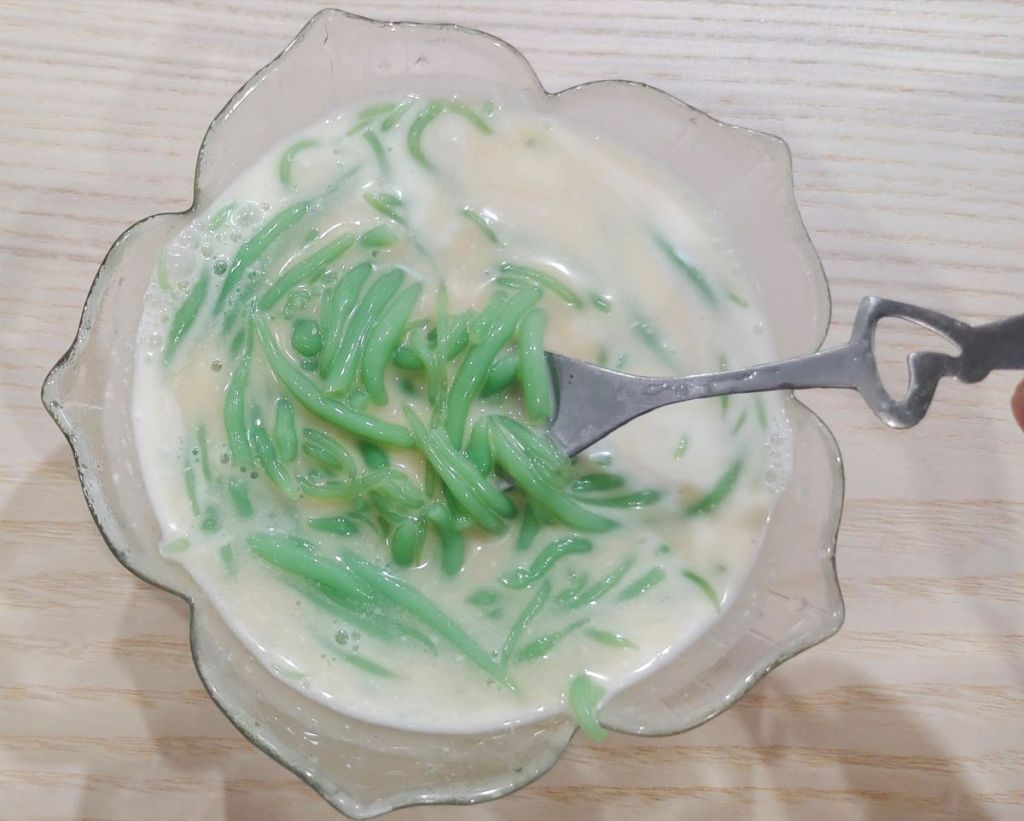
Unique cendol variations have also gained popularity.
For example, adding a scoop of ice cream or fresh durian flesh on top of a bowl of cendol creates an indulgent and unique dessert experience.
The rich and creamy texture of the ice cream or the distinct taste of durian adds a new dimension to the traditional cendol.
The Variety of Cendol
The rice flour jelly, coconut milk, and palm sugar form the foundation, while additional ingredients and regional variations continue to expand the variety of cendol.
The dessert’s popularity spread throughout Southeast Asia, with each country adding its unique ingredients to the traditional recipe.
In Indonesia, for example, cendol is often served with jackfruit and tapai, while in Thailand, it also includes sweet jackfruit.
What is Rojak?
Rojak, meaning “mix” in English, is a term that has various interpretations across different states in Malaysia. Rojak is a mixture of various ingredients combined.
Differences Between Rojak and Pasembur
In Kuala Lumpur, rojak typically consists of a mixture of hard-boiled eggs, slices of sweet turnip, cucumber, deep-fried tofu, and slices of wheat flour that have been deep-fried. This combination is usually served with a rich and savoury peanut sauce.
The exact ingredients can vary based on the vendor’s preferences, allowing for a personalised and unique experience with each serving.
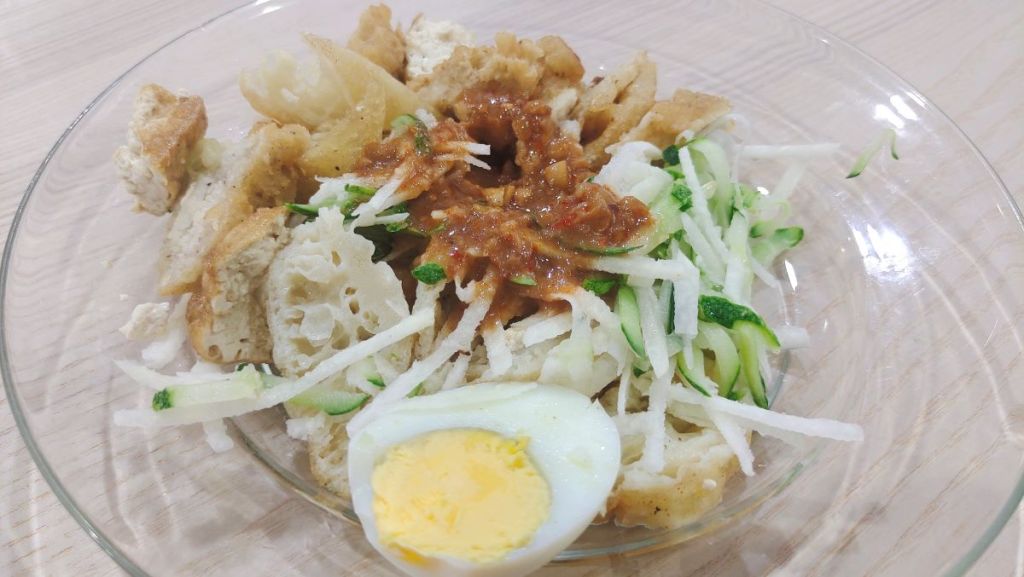
In Penang, however, rojak is often referred to as Pasembur.
While the basic ingredients are similar to those used in Kuala Lumpur, Penang’s Pasembur includes additional options such as prawn fritters, pieces of fried meat, fish cake, and fish balls.
These ingredients are typically coated in flour and deep-fried, then displayed on a countertop where customers can choose their desired items using tongs and a plate.
Once selections are made, the seller chops the fritters and other items, determining the price based on the customer’s choices.
Cendol, Rojak and Food Trucks
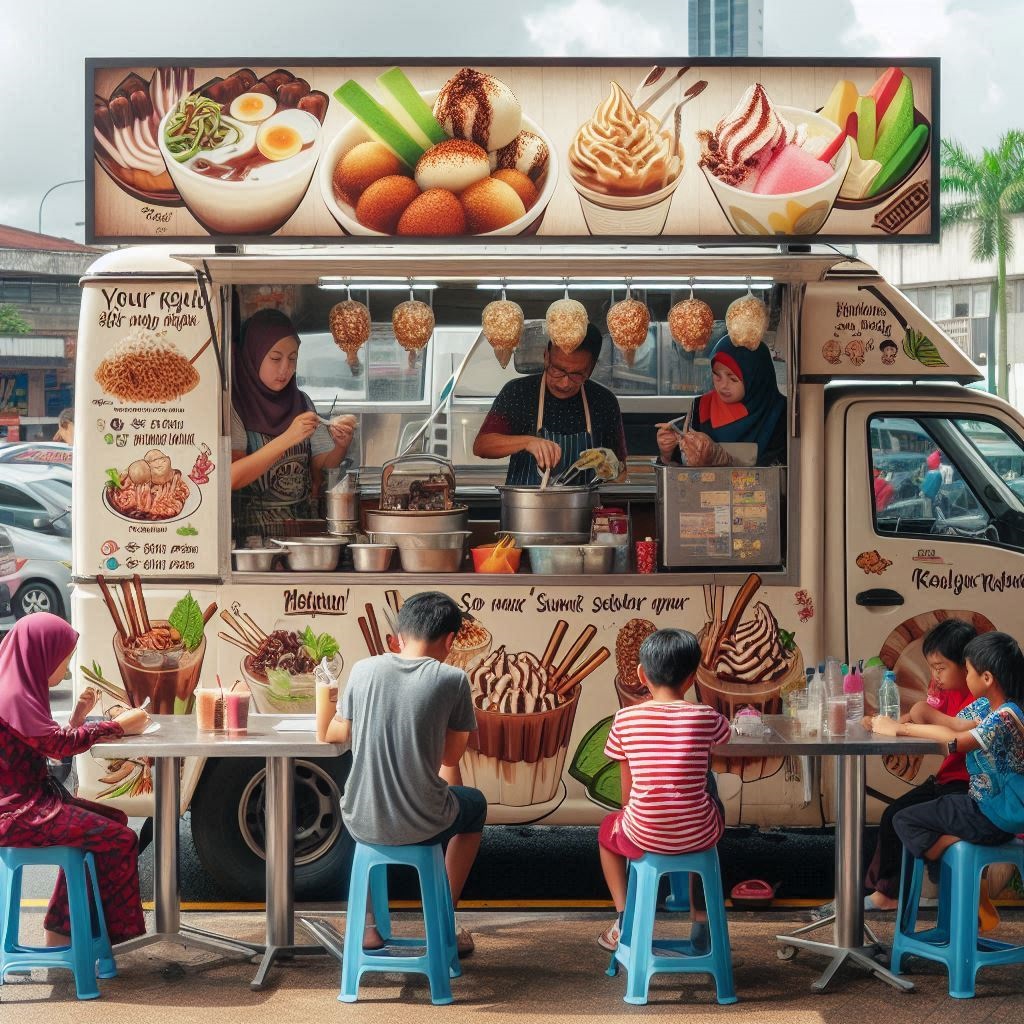
Cendol and Rojak are commonly sold from food trucks in Kuala Lumpur.
These mobile vendors often park under large trees to provide natural shade for their customers.
The food truck setup is simple, with three to four plastic stools placed around the truck for customers to sit and enjoy their meals. Customers typically eat while holding the bowl with their left hand creating a casual and communal dining experience.
The Attraction of Rojak and Cendol
The combination of rojak and cendol is a popular choice among Malaysians.
The savoury and sweet flavours complement each other, creating a satisfying and well-rounded meal.
It’s common to see groups of friends and family members enjoying rojak and cendol together, even if it means eating at the roadside.
The bustling atmosphere around the food truck, the cheerful chatter of customers, and the delicious food all contribute to a memorable dining experience.
Despite the casual setting, there’s an unspoken etiquette:
Remember this, no chit chat at this stall, eat quietly with a deep feeling of the delicacy and give others a chance to enjoy the food by vacating your seat quickly after finishing your meal.
Conclusion
Cendol and rojak are more than just traditional Malaysian dishes; they are symbols of cultural heritage and community.
The versatility of cendol, with its various add-ons and regional adaptations, continues to delight dessert lovers.
Rojak, with its customizable ingredients and rich peanut sauce, remains a beloved street food.
Next time you’re in Kuala Lumpur, take a moment to seek out a food truck or stall serving these iconic dishes.
 Halaman Sihat