The Banana Leaves
Banana leaves have been part of Malay culture for centuries, used in both daily life and special occasions. Their role in wrapping food such as kuih, rice and tempeh highlights their practicality, cultural significance, and unique ability to enhance the flavour and presentation of traditional dishes.
Kuih That Use Banana Leaves
Banana leaves have been used to wrap various types of kuih. This practice not only preserves the food but also gives the kuih a nice aroma. Some of the popular kuih wrapped in banana leaves include:
Lepat Pisang
A delightful combination of bananas and grated coconut, this kuih is wrapped in banana leaves and steamed until tender.
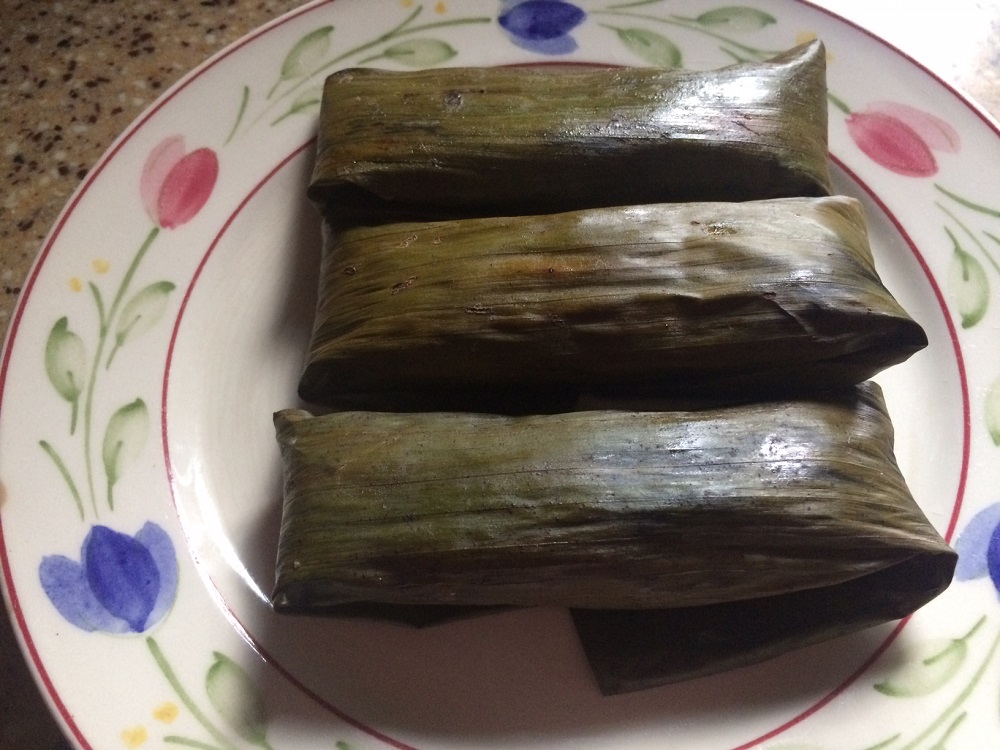
This kuih need to be wrapped in banana leaves.
Tepung Bungkus
A mixture of rice flour and coconut milk, filled with sweet coconut filling, wrapped in banana leaves, and steamed.
Pulut Panggang
This delicacy is made from glutinous rice with a spicy coconut filling, wrapped in banana leaves and then grilled. The grilling process imparts a smoky flavor to the rice, while the banana leaves protect the rice from burning and add a subtle fragrance.

Banana leaves are also used as containers for kuih like
Tepung Pelita
This kuih consists of two layers: a creamy top layer made from coconut milk and a bottom layer made from rice flour. The banana leaves act as a natural mould, giving the kuih its shape and adding a distinct aroma.

The use of banana leaves in wrapping and presenting kuih is not just about tradition; it also adds an aesthetic appeal. The vibrant green leaves provide a beautiful contrast to the colorful kuih, making them visually appealing.
Special Occasions and Traditional Dishes
Nasi Lemak, Tempeh, and Ikan Bakar
In addition to kuih, banana leaves are also used to wrap and present several traditional Malaysian dishes. One of the most beloved dishes is nasi lemak, which is traditionally wrapped in banana leaves.
Wrapping nasi lemak in banana leaves helps retain its aroma and flavour, making it a favourite breakfast dish for many Malaysians.
Tempeh, or fermented soybeans, is another food item commonly wrapped in banana leaves.
Traditionally, tempeh was wrapped in teak leaves (daun jati), but over the years, banana leaves have become the preferred choice.
The banana leaves help maintain the freshness and flavor of the tempeh, while also providing a natural and eco-friendly packaging.

Ikan bakar, or grilled fish, is another popular dish that utilizes banana leaves.
The fish is marinated with spices, wrapped in banana leaves, and then grilled. The banana leaves protect the fish from direct flame, preserving its juiciness and gives a unique flavor.
The leaves also prevent the fish from sticking to the grill, making it easier to cook and serve.
Cultural Significance
The use of banana leaves in food preparation is engraved in Malay culture and tradition.
Their large size makes them ideal for accommodating rice, side dishes, and desserts.
Beyond their practicality, banana leaves hold cultural significance in the way they are used and handled.
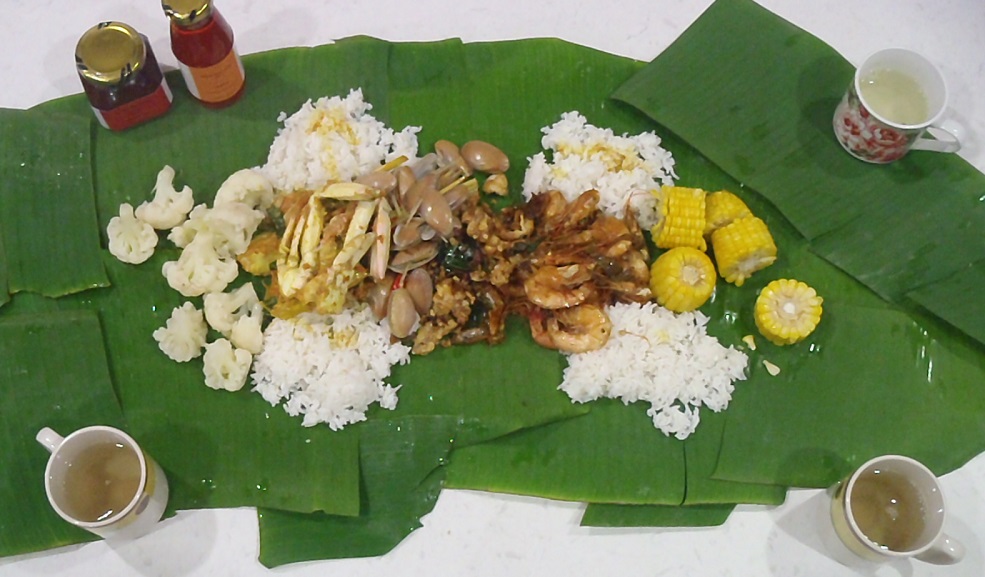
In traditional Malay dining, meals served on banana leaves are typically eaten by hand, using only the right hand. This practice is believed to enhance the connection between the eater and the food, making the dining experience more personal.
Modern Uses and Innovations
In recent years, there has been an interest in using banana leaves for food presentation, especially in dining and catering.
Hotels and restaurants have started incorporating banana leaves into their buffets and food displays, not only for their aesthetic appeal but also for their eco-friendly properties.
During festive seasons like Ramadan, the demand for banana leaves peaks as they are used to display a variety of traditional dishes and desserts.
The use of banana leaves adds a touch of authenticity and tradition to the food, making it more appealing to customers.
Conclusion
Banana leaves are more than just a natural packaging material; they are a symbol of Malay heritage and tradition
Banana leaves will continue to play a vital role in Malay cuisine and culture.
Whether used for wrapping traditional kuih, presenting festive dishes, or enhancing modern culinary creations, banana leaves remain a cherished and versatile element in the world of food.
 Halaman Sihat